

How to advertise on The Breakdown: what it costs, who buys, and how to book

Cam Pritchard
CEO & Founder | Podcast Advertising Expert
Spotsnow attributes the overwhelming majority of ad activity on The Breakdown to direct-response reads, the kind built around promo codes and vanity URLs rather than brand impressions. The show sells its host-read inventory on a quoted, per-campaign basis, not off a public rate card. Its anchor advertiser, Banyan Botanicals, has run roughly 30 to 38 ads here, most of them host-read. For a buyer weighing a spot, that mix reads as a coded-attribution feed where repeat commitments are the norm, not one-off tests. Spotsnow estimates all of this from tracked advertiser activity, not audience surveys.
Read the full show breakdown on The Breakdown profile.

Why The Breakdown is built for host-read direct response
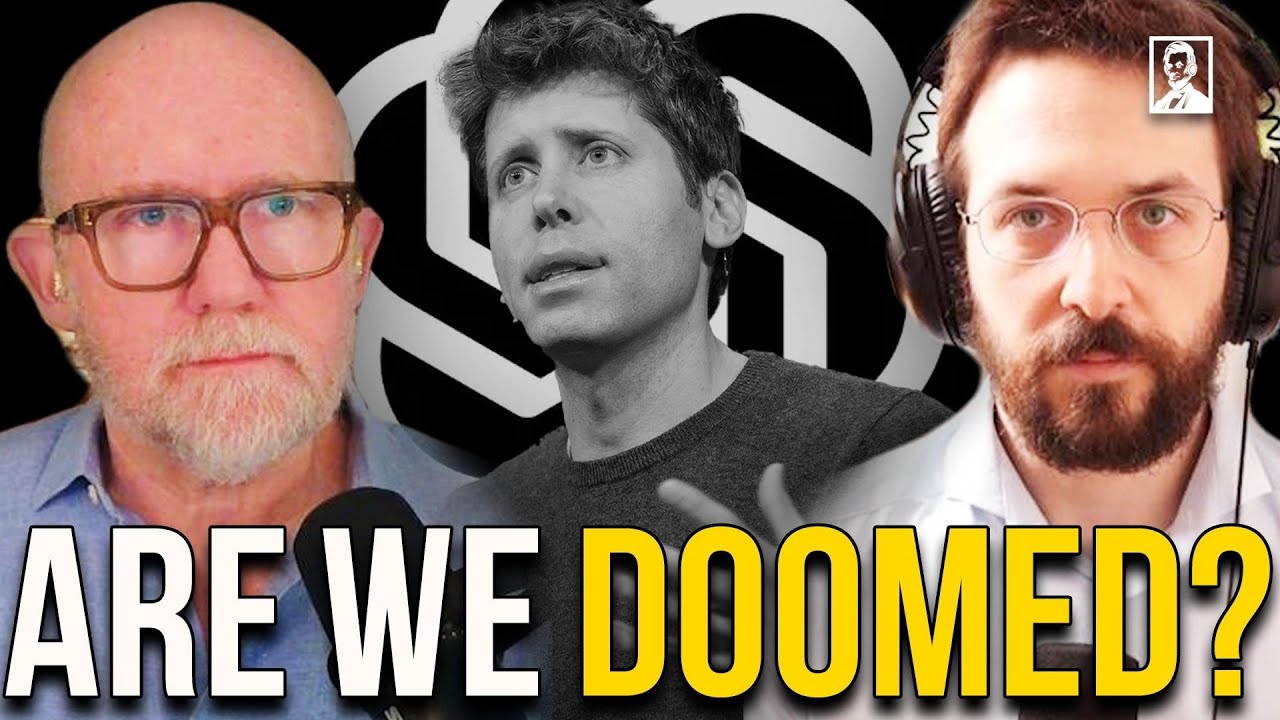
Rick Wilson, a veteran Republican strategist and Lincoln Project co-founder, hosts alongside Maya May. It sits in the information technology & services category on the advertiser side, which is where its anchor tech buyer resolves. Spotsnow data shows the overwhelming majority of its ads are direct-response, and the format is the reason. A host who names a product and reads out a code turns a political audience's trust into a trackable action, which is exactly what a coded URL or promo code is meant to capture. Reach is estimated at roughly 165,000 listeners.
This is a conversational, debate-driven show, and attention holds through the ad break because the read comes in the hosts' own voice rather than a hard cut to a produced spot. That sustained attention is what a host endorsement borrows. When Wilson vouches for a product, the credibility he built arguing over the news carries into the pitch, and the listener stays instead of skipping.
Spotsnow data shows an Apple Podcasts rating of 4.7 across roughly 96 to 112 ratings, and a YouTube following of roughly 1,600,000 subscribers. The influence is concentrated in the feed and on video rather than scattered across every social platform, which means a listener who's here is here on purpose. For a direct-response buyer, that focus is the point.
Who is advertising on The Breakdown
The roster is large and mixed, running from DTC wellness and media-literacy tools to national retailers and financial brands. Recognizable names Spotsnow tracks here include Ground News, Shopify, Talkspace, GoFundMe, and McDonald's.
The anchor advertisers, broken down
Banyan Botanicals
Banyan Botanicals sells Ayurvedic herbs and wellness supplements. Spotsnow estimates its total spend at over $100K, across roughly 30 to 38 ads, almost all host-read, which Spotsnow classifies as direct-response. The fit is an older, high-income audience that has the money and the interest to try a considered wellness purchase, and a host whose endorsement carries weight.
Spin Quest
Spin Quest is a social-casino gaming brand. Spotsnow estimates its total spend at over $70K, and its buy skews mostly produced rather than host-read, so its posture leans more toward reach than coded attribution. It fits because the audience is large, US-based, and disposable-income heavy, which is the target for casual-play gaming.
Ground News
Ground News runs a news-comparison and media-literacy platform. Spotsnow estimates its spend at over $60K across roughly 13 to 15 ads, every one of them host-read and direct-response. It's the cleanest fit on the roster: a politically engaged audience that already argues about media bias is the exact user Ground News wants to convert.
The produced-buy outlier
Not every heavy spender chases a code. Spin Quest is the example: it spends near the top of the roster while running mostly produced spots, which shows an awareness objective can still work in this feed. The audience is worth reaching either way, but the coded reads are where the show earns its keep.
| Brand | Est. total spend | Direct-response | Time of spend (last 1 year) |
|---|---|---|---|
| Banyan Botanicals | over $100K | Yes (host-read) | Active through recent months |
| Spin Quest | over $70K | Mixed (mostly produced) | Active through recent months |
| Ground News | over $60K | Yes (all host-read) | Active through recent months |
All spend figures are Spotsnow estimates.
Why government and news brands cluster here
A political audience that keeps coming back is an audience that trusts the person talking. Wilson has spent a career reading elections, and that authority is exactly what transfers to a host-read. The listeners skew male, mid-career and older, high-income, and concentrated in the US, which is a demographic that acts on a recommendation instead of just noting it. Put those together and you get why a media-literacy tool like Ground News runs its entire buy host-read here: the mindset of someone who chose a Lincoln Project feed is already primed for a product that promises to cut through spin. The advertiser mix isn't random. It's brands that need trust to convert, buying the trust the hosts have already built.
How your ad could sound
Hims read on The Breakdown feed
The Hims read is a clean template for this feed. It opens on a hard stat, "as many as 30 million men in America experience ED," which earns attention before it asks for anything. The price framing is concrete, "generics that cost up to 95% less than brand names," and it lands the offer on a dedicated vanity URL, "hems.com/lincolnro," tied to the feed so attribution is unambiguous.
Two things to tighten. The code lives only in speech, and a spoken URL like that is easy to mishear, so a brand should back it with a screen graphic or a code that survives a bad listen. And the offer carries no deadline, so there's nothing pushing the listener to act now instead of later. A soft urgency line closes that gap.
View what a great sample ad looks like here.
What makes a show like this convert
- The format does the work. Host-read spots in the hosts' own voice hold attention through the break, which is why Spotsnow ties nearly all ad activity here to direct-response.
- Host credibility transfers. A career strategist vouching for a product carries weight a produced spot can't fake, and that trust is what a coded read converts on.
- The audience can act. Spotsnow estimates roughly 165,000 listeners who skew older, high-income, and US-based, a group with the means to buy on a recommendation.
- Repeat buying proves the math. Banyan Botanicals running roughly 30 to 38 ads doesn't happen unless the coded returns justify coming back again and again.
The Breakdown in a nutshell
The listeners are older, high-income, US-based, and politically engaged, and they treat the hosts as trusted voices. Banyan Botanicals and Ground News already buy here on host-read reads, with Spin Quest spending heavily on mostly produced spots. The show is sold on a quoted, per-campaign basis rather than a rate card. If your goal is coded attribution and repeat performance, this feed is set up for direct response first, with room for an awareness play when the reach alone is worth it.
Frequently asked questions
The Breakdown is sold on a quoted basis rather than a public rate card. Four things move the number: placement (mid-roll host-read prices above pre-roll and post-roll), read type (a host endorsement prices above a produced spot), commitment length (multi-episode flights and category exclusivity price better than a single test), and how close you are to the air date. For market context, a host-read spot on a typical show costs a brand roughly $20 to $30 for every thousand listeners it reaches. In-demand shows clear well above that. The more useful signal for this show is who already buys: Banyan Botanicals has run roughly 30 to 38 ads, alongside Spin Quest and Ground News. Repeat buying at that level tells you more about where a show prices, and what it's worth to the brands buying it, than an outside estimate can.
Ads run on most episodes, so the show is in demand and inventory moves fast. Plan on reaching out sooner than you think you need to.
About 1 week to book, 2 to 3 weeks to produce and run, plus 2 to 3 weeks of lead time, so roughly 5 to 7 weeks end to end.
The Breakdown is sold direct rather than through one of the large networks. You can approach the show's team, or book through a platform that already has the show in its inventory. You can view different advertising platforms here.
Both, but direct-response is the stronger case. Spotsnow ties nearly all ad activity here to coded reads, and the anchor buyers run host-read with promo codes and vanity URLs. Awareness buys still exist, as Spin Quest's mostly produced spend shows, but if you want trackable action, the host endorsement is where this feed performs.
The Breakdown isn't the only feed reaching this audience. Spotsnow shows which government podcasts have host-read spots open right now, and which brands already buy them.
Get on the last minute spots email list.
Find incredible discounts and opportunities on premium shows.
Get on the last minute spots email list.
Find incredible discounts and opportunities on premium shows.