

How to advertise on Talk Ville: what it costs, who buys, and how to book

Cam Pritchard
CEO & Founder | Podcast Advertising Expert
Talk Ville sells its host-read inventory direct, independently produced by its two hosts, and quoted per campaign rather than off a public rate card. Spotsnow data shows direct-response reads account for roughly nine in ten of the tracked host-read activity on the show, and Spotsnow attributes roughly 29 to 34 reads on the feed to BetterHelp alone. For a buyer, that mix says one thing: this is a coded-offer feed, not a logo-placement feed. Spotsnow estimates all of this from tracked advertiser activity, not audience surveys.

The full advertiser history sits on the Talk Ville profile on Spotsnow.
Why Talk Ville is built for host-read direct response
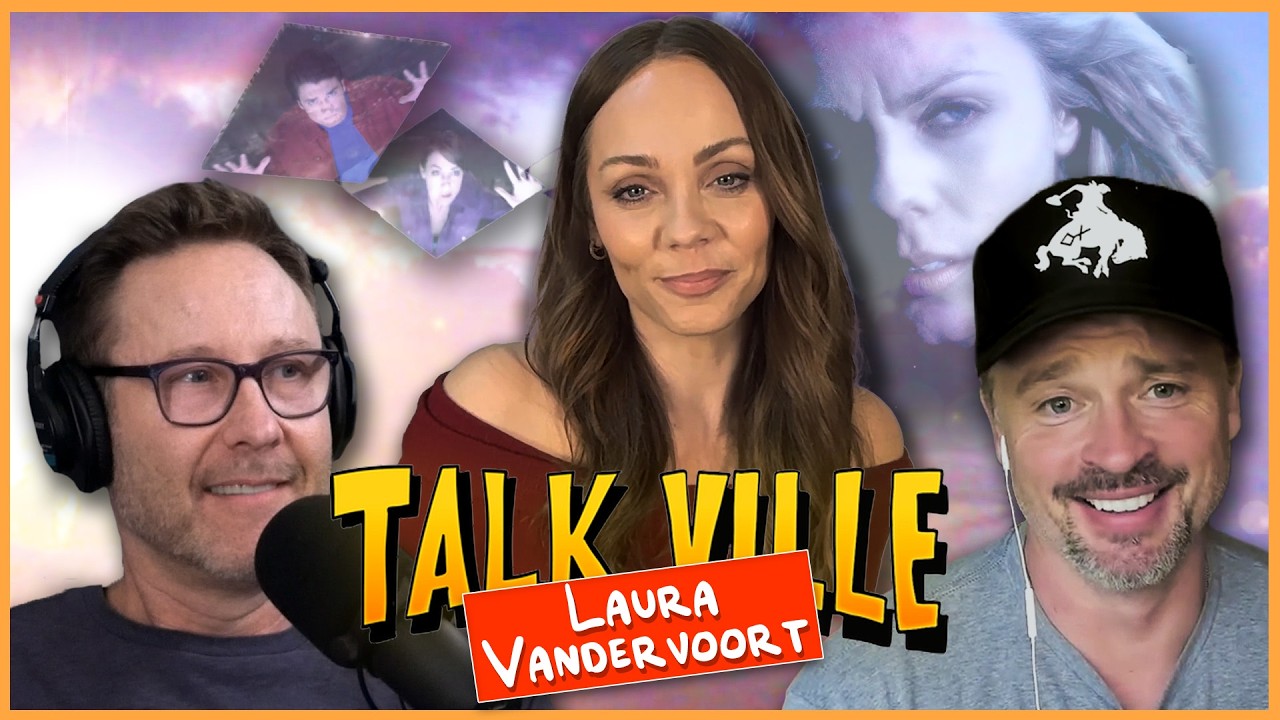
Tom Welling and Michael Rosenbaum played Clark Kent and Lex Luthor on Smallville, and now they rewatch it episode by episode, which makes them the rare hosts with first-party authority over their own subject. The show sits in TV & Film, with arts, history and society and culture as secondary territory.
Spotsnow puts the direct-response share at roughly nine in ten of tracked reads, and that number is the whole argument. Direct response only works when the read carries a code or a vanity URL that can be traced, and traceable reads only work when listeners are still there when the host starts talking. A weekly rewatch show is unusually good at that. The format is conversational and unscripted, the hosts drift in and out of anecdote, and the ad break doesn't announce itself as a break. That sustained attention is exactly what a host endorsement borrows. Spotsnow estimates reach at roughly 110,000 listeners, which is an estimate rather than an audited count. The audience skews slightly female, clusters among adults in their late twenties through early forties, runs mostly middle income, and is US-centered with a notable international following across Brazil, the UK, Canada, Mexico and France.
The influence check
Apple Podcasts shows an average rating of 4.9 from roughly 2,700 to 3,200 ratings. Spotsnow data shows about 149,000 Instagram followers and about 229,000 YouTube subscribers, so the video feed is a real second surface for a read, not an afterthought. Patreon and merch sit underneath all of it, which tells you the fanbase pays to be closer to the show. That's the behavior a DR advertiser wants next to its offer.
Who is advertising on Talk Ville
The roster splits cleanly: big consumer names buying produced spots, and subscription DTC offers buying host reads. Recognizable advertisers Spotsnow has tracked on the feed include BetterHelp, Carvana, Progressive Insurance, Venmo, AT&T and Mint Mobile. Behind them sit the coded-offer buyers, including BlueChew, AG1 and Freecash.
The anchor advertisers, broken down
Mars Men
Mars Men is a men's consumer offer sold direct to consumer. Spotsnow attributes a small handful of appearances on Talk Ville, all of them host-read, with estimated total spend of about $20,000, and classifies the activity as fully direct response. It fits because the show's core listener is a thirty-something man or woman who grew up on this series and now buys subscription products from a phone, in the same session they're listening.
Freecash
Freecash pays users to complete offers and tasks. Spotsnow attributes a small handful of host-read appearances and estimates total spend at about $10,000, again entirely direct response. An earn-cash app needs a trusted voice to get past skepticism, and a host who's been in your ears weekly for years is the cheapest trust a brand like this can rent.

BetterHelp
BetterHelp sells online therapy memberships matched to licensed therapists. Spotsnow attributes roughly 29 to 34 reads on Talk Ville and estimates total spend at about $10,000, classified as direct response, recurring across the past year rather than bunched into one flight. The fit is uncomfortably good: Rosenbaum talks openly about therapy on his other show, Welling confirms he uses it, and the read turns into two men in their forties discussing their own mental health instead of reciting benefits.
The outlier: produced brand buys
Toyota and Amazon Prime run produced spots in the same feed, with no code and no attribution ask. That's worth noting if you're an awareness buyer: a DR-dominated show still clears national brand inventory here, so the audience isn't only valuable when it's being asked to convert.
| Brand | Est. total spend | Direct-response | Time of spend (last 1 year) |
|---|---|---|---|
| Mars Men | About $20,000 | Yes | Spring to early fall 2026 |
| Freecash | About $10,000 | Yes | Fall 2026 |
| BetterHelp | About $10,000 | Yes | Recurring across 2025 to 2026 |
All spend figures are Spotsnow estimates.
Why TV & Film brands cluster here
Most rewatch podcasts are hosted by fans. This one is hosted by the cast, and that changes what an endorsement is worth. When Welling and Rosenbaum vouch for something, the listener isn't hearing a presenter read copy, they're hearing two people whose work they've watched for twenty years. Nostalgia audiences are also habit audiences. They come back every week for a series they've already seen, which is the same psychology that makes subscription products stick: therapy, supplements, telehealth, earn-cash apps. Those categories don't need a one-time impulse, they need a listener who will still be subscribed in month three. BetterHelp's repeat volume across the past year is the proof that the math holds, and Spotsnow shows ads running on most episodes, so the inventory is being absorbed rather than discounted. If your category depends on a code being remembered and typed, this is the kind of feed where that happens.
How your ad could sound
BetterHelp host-read on Talk Ville
What works: the read opens on conviction, not on product. "I can't tell you how important therapy is" lands before a single feature does. Rosenbaum then kills the biggest objection out loud, the fear of being stuck with the wrong therapist, and answers it plainly: "No, we do it for you." The handoff to Welling is the best part, because it isn't a handoff at all, just a question. Welling's line, "A lot of times you get to hear your own thoughts without being objectified as a result," is the sort of sentence no copywriter would have written and no listener forgets. The offer is a clean coded URL, betterhelp.com/talkville, which is attribution a buyer can actually measure.
Worth improving: the offer arrives late. By the time "Sign up and get 10% off at betterhelp.com/talkville" lands, the read has already spent most of its runtime on testimony, and the discount gets one pass with no deadline or reason to act now. The URL also gets spoken fast and slightly garbled on the second mention, which is how coded traffic leaks. If you're briefing a read here, plant the code once early, repeat it slowly at the end, and give it a reason to expire.
View what a great sample ad looks like here.
What makes a show like this convert
- The format carries the ad. Spotsnow data shows roughly nine in ten of the tracked reads here are direct response, which only pencils out when listeners stay through an unscripted break.
- The hosts are the source material. Welling and Rosenbaum starred in the series they recap, so an endorsement borrows two decades of accumulated credibility rather than renting a voice.
- The audience is buyable, not just big. Spotsnow estimates roughly 110,000 listeners, skewing slightly female, mostly middle income and concentrated in the US, with a Patreon and merch habit underneath.
- Repeat buying proves the math. Spotsnow attributes roughly 29 to 34 reads to BetterHelp across the past year, and nobody renews that many times on a channel that doesn't pay back.
Talk Ville in a nutshell
The listener is a long-time Smallville fan, mostly in their thirties, middle income, US-based with a real international tail, and loyal enough to pay for bonus episodes. The buyers who keep coming back are subscription DTC and telehealth brands running host endorsements with a coded URL, while national names like Toyota and Carvana sit alongside them in produced spots. It's sold direct by the hosts' own independent operation and quoted per campaign. Treat it as a direct-response buy first, with awareness value as the bonus rather than the thesis.
Frequently asked questions
Talk Ville is sold on a quoted basis rather than a public rate card. Four things move the number: placement (mid-roll host-read prices above pre-roll and post-roll), read type (a host endorsement prices above a produced spot), commitment length (multi-episode flights and category exclusivity price better than a single test), and how close you are to the air date. For market context, a host-read spot on a typical show costs a brand roughly $20 to $30 for every thousand listeners it reaches. In-demand shows clear well above that. The more useful signal for this show is who already buys: BetterHelp has run roughly 29 to 34 reads, alongside Mars Men and Freecash. Repeat buying at that level tells you more about where a show prices, and what it's worth to the brands buying it, than an outside estimate can.
Ads run on most episodes, so the show is in demand and inventory moves fast. Plan on reaching out sooner than you think you need to.
Budget about 1 week to book, then 2 to 3 weeks to produce and run, plus 2 to 3 weeks of lead time, so roughly 5 to 7 weeks end to end.
Talk Ville is sold direct rather than through one of the large networks. You can approach the show directly, or book through a platform that already has the show in its inventory. You can view different advertising platforms here.
Both run on the feed, but the weight is lopsided. Spotsnow data shows roughly nine in ten of the tracked reads are direct response, with produced brand spots from names like Toyota, Carvana and Amazon Prime filling the rest. If you want measured conversions, brief a host endorsement with a code. If you want association with a nostalgia property, the produced inventory exists.
Spotsnow estimates roughly 110,000 listeners, an estimate rather than a counted figure. The audience skews slightly female, sits mostly among adults in their late twenties through early forties, runs middle income, and is US-centered with a notable following in Brazil, the UK, Canada, Mexico and France. Apple Podcasts shows a 4.9 average from roughly 2,700 to 3,200 ratings.
Talk Ville isn't the only feed reaching this audience. Spotsnow shows which TV & Film podcasts have host-read spots open right now, and which brands already buy them.
Get on the last minute spots email list.
Find incredible discounts and opportunities on premium shows.
Get on the last minute spots email list.
Find incredible discounts and opportunities on premium shows.