

How to advertise on Roommates Show with Jalen Brunson & Josh Hart: what it costs, who buys, and how to book

Sargam Poudel
Head of Podcast Ad Intelligence
Host-read inventory on this show isn't sold off a public rate card. It's quoted per campaign through Playmaker Brands, the sports media company that produces the show, and Spotsnow estimates that the clear majority of ads running in the feed are direct-response. The top-spending advertiser, Tommy John, has run roughly 5 to 6 ads there, most of them host-read. If you're a performance buyer, that mix matters more than the audience number: it means the show already carries coded, trackable reads and the hosts already know how to deliver them. Spotsnow estimates all of this from tracked advertiser activity, not audience surveys.
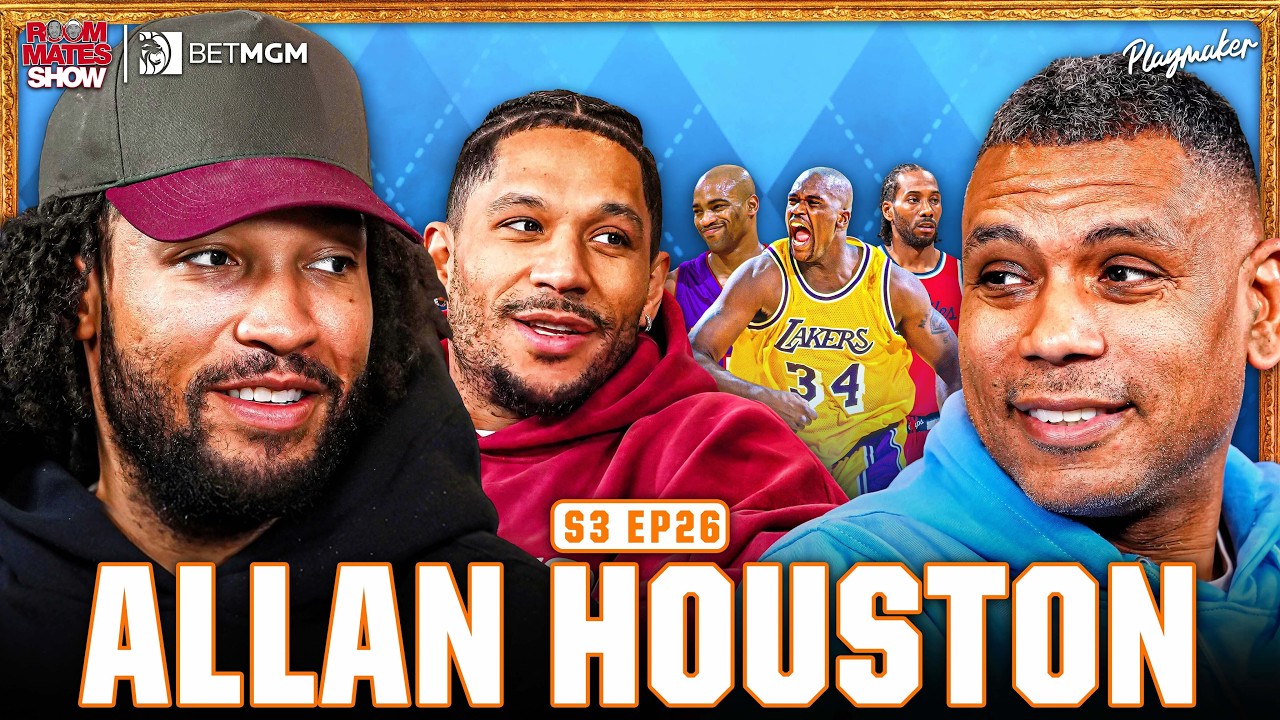
Everything below covers Roommates Show with Jalen Brunson & Josh Hart, the NBA podcast built out of a Villanova friendship and a Knicks locker room.

Why Roommates Show is built for host-read direct response
Jalen Brunson and Josh Hart are active New York Knicks players, co-hosting with media personality Matt Hillman. That's the credential, and it's not borrowed. Spotsnow places the show in the sports category, where it sits alongside team-specific NBA feeds but reaches a wider pop-culture crowd.
Spotsnow estimates the direct-response share at the clear majority of ads tracked in the feed, which is the useful part for a buyer. Direct-response reads carry a code, a vanity URL, or a spoken offer, so the buy produces attribution instead of a vague lift story. Estimated reach is roughly 140,000 listeners per Spotsnow, and that figure is an estimate rather than a counted number.
The format is why the reads land. This is a dorm-room hang: two teammates and a friend riffing, taking fan questions, bringing in guests who actually play. There's no segment hard-out, so a sponsor break doesn't feel like a break. The read happens inside the conversation, in the same voice as the joke that preceded it. That sustained attention is exactly what a host-read borrows, and it's why a coded offer from Brunson or Hart reads as a recommendation rather than an interruption.
Engagement backs it up. Spotsnow social data shows a 4.8 average Apple Podcasts rating from roughly 550 to 610 ratings, about 270,000 Instagram followers, and about 190,000 YouTube subscribers, plus active TikTok and X accounts. Influence here is spread across platforms, which means a clip of your read travels past the feed.
The audience, per Spotsnow estimates, skews young and male, mostly middle-income with a solid upper-income slice, and is heavily concentrated in the US. Read that as an NBA fan with a Knicks lean and discretionary spend.
Who is advertising on Roommates Show
Spotsnow tracks roughly 120 to 140 advertisers on the show, a mix of national brand money and DTC performance buyers, with sportsbooks and telcos sponsoring named segments. Recognizable names in that roster include Uber Eats, Amazon Prime, T-Mobile, Airbnb, and Warby Parker.
The anchor advertisers, broken down

Tommy John
Premium men's underwear, undershirts, and casual basics. Spotsnow attributes roughly 5 to 6 ads on the show to Tommy John and an estimated total spend of over $10K, classified direct-response and delivered mostly as host-read segment sponsorships. Comfort apparel sold by two athletes to a young male audience is about as clean a product fit as podcast advertising offers, and the brand keeps coming back.
Uber Eats
Food delivery. Spotsnow attributes roughly 3 ads and an estimated total spend of over $10K, with a mix of host-read and produced placements and a direct-response lean. This is a game-watching audience that orders in with friends, so the occasion the brand sells and the moment the listener is in line up almost exactly.
Amazon Prime
Retail, shipping, and streaming under one subscription. Spotsnow attributes roughly 7 to 8 ads and an estimated total spend of over $10K, running mixed reads. A brand that broad doesn't need the audience to be niche, it needs the audience to be attentive, and it buys this feed for the title-level association as much as the click.
The outlier worth noting
Not every buyer here is chasing a code. Edward Jones and American Military University run produced spots with no coded offer attached, which tells you an awareness objective clears the bar on this show too. If your category can't carry a promo code, there's precedent for buying the feed anyway.
| Brand | Est. total spend | Direct-response | Time of spend (last 1 year) |
|---|---|---|---|
| Tommy John | over $10K | Yes, host-read | Active through October |
| Uber Eats | over $10K | Mixed, host-read lean | Recent |
| Amazon Prime | over $10K | Mixed | Recent |
All spend figures are Spotsnow estimates.
Why sports brands cluster here
Most sports podcasts sell analysis. This one sells access. The hosts are two players currently inside the league they're talking about, which flips the usual authority structure: a pundit's endorsement is an opinion, a starting point guard's endorsement is closer to equipment advice. That's why apparel, hydration, delivery, and sportsbook money lands here instead of at a pure breakdown show, and why Tommy John's reads are framed around comfort as performance rather than discount.
The audience mindset does the rest. People listening to Brunson and Hart riff in a dorm-room format aren't researching, they're hanging out, and they come back weekly for the same two voices. Spotsnow data shows ads running on most episodes, so the listener is conditioned to the break rather than surprised by it. Combine conditioned tolerance with a young, male, mostly US audience that buys apparel, food, and bets on a recommendation, and you get a feed where a coded host-read actually has somewhere to go.
How your ad could sound
Tommy John host-read segment sponsorship on Roommates Show
The Tommy John read is a segment sponsorship, not a standalone spot. The handoff is the best part of it: "This segment is brought to you by Tommy John. Comfort is the new power move." It arrives mid-conversation, in the hosts' own cadence, and the line does double duty by tying a product benefit to the athlete framing the whole show runs on. Nobody has to change gears to deliver it.
What's left on the table is the ask. There's no spoken code, no vanity URL, and no reason to act now inside the read. For a brand Spotsnow classifies as direct-response, that's the gap worth closing. Two fixes carry most of the weight: give the hosts a one-line personal proof point they can say in their own words, then close on a single code they repeat once, slowly. Urgency helps too, even something as light as tying the offer to the current week's game. The association is already doing its job here. The attribution is the part you'd want to tighten before a second flight.
View what a great sample ad looks like here.
What makes a show like this convert
- The format holds attention through the break. Segment sponsorships are read inside the conversation, so there's no hard transition for a listener to skip past.
- The hosts carry real credentials. Brunson and Hart are active Knicks players, and a 4.8 Apple rating per Spotsnow social data says listeners trust the voices, not just the topic.
- The audience matches consumer offers. Spotsnow estimates roughly 140,000 listeners, skewing young, male, and heavily US, with middle to upper incomes.
- Advertisers renew. Spotsnow attributes roughly 5 to 6 ads to Tommy John and roughly 7 to 8 to Amazon Prime, and brands with attribution dashboards don't re-buy a feed that doesn't return.
Roommates Show in a nutshell
The listener is an NBA fan, mostly young, mostly male, mostly American, with a visible Knicks tilt and enough income to act on a consumer offer. Spotsnow shows the buyers already in the feed spanning apparel, food delivery, retail subscriptions, telecom, and sportsbooks, with the strongest reads arriving as host-voiced segment sponsorships rather than produced drop-ins. Inventory is quoted per campaign through Playmaker Brands, not published, so placement, read type, and flight length all move the deal. Best suited to direct-response buyers who want coded host-reads, with enough produced-spot precedent that an awareness campaign won't look out of place.
Frequently asked questions
Roommates Show is sold on a quoted basis rather than a public rate card. Four things move the number: placement (mid-roll host-read prices above pre-roll and post-roll), read type (a host endorsement prices above a produced spot), commitment length (multi-episode flights and category exclusivity price better than a single test), and how close you are to the air date. For market context, a host-read spot on a typical show costs a brand roughly $20 to $30 for every thousand listeners it reaches. In-demand shows clear well above that. The more useful signal for this show is who already buys: Tommy John has run roughly 5 to 6 ads, alongside Uber Eats and Amazon Prime. Repeat buying at that level tells you more about where a show prices, and what it's worth to the brands buying it, than an outside estimate can.
Ads run on most episodes, so the show is in demand and inventory moves fast. Plan on reaching out sooner than you think you need to.
Budget about 1 week to book, 2 to 3 weeks to produce and run, plus 2 to 3 weeks of lead time, so roughly 5 to 7 weeks end to end.
Roommates Show is sold through Playmaker Brands. You can approach them directly, or book through a platform that already has the show in its inventory. You can view different advertising platforms here.
Both, and the split matters. Spotsnow data shows host-voiced segment sponsorships from brands like Tommy John, BetMGM, and AT&T, while national advertisers such as Edward Jones and McDonald's run produced spots. If you want attribution, buy the host-read.
Spotsnow estimates roughly 140,000 listeners, skewing young and male, mostly middle-income with an upper-income slice, and heavily concentrated in the US. Expect NBA fans with a Knicks lean, plus a comedy and pop-culture crossover crowd pulled in by the show's 270,000 Instagram followers and clip-driven social reach.
Roommates Show isn't the only feed reaching this audience. Spotsnow shows which sports podcasts have host-read spots open right now, and which brands already buy them.
Get on the last minute spots email list.
Find incredible discounts and opportunities on premium shows.
Get on the last minute spots email list.
Find incredible discounts and opportunities on premium shows.