

How to advertise on Missing: what it costs, who buys, and how to book

Dishant Miyani
Podcast Ad Analytics Head
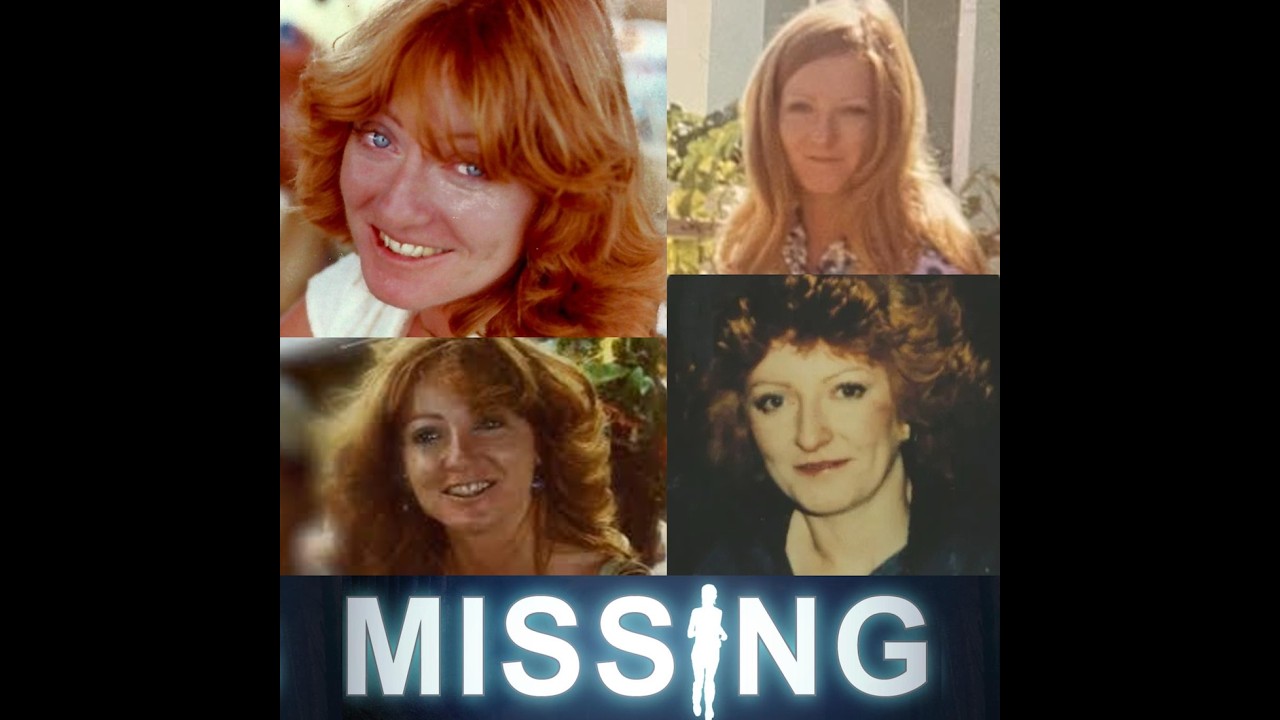
Missing sells its host-read inventory direct, through the hosts' own Crawlspace Media, and it's quoted per campaign rather than off a public rate card. Spotsnow data shows nearly all of the show's read activity is direct response, and the top spender, Quince, has run roughly 30 to 35 reads on the feed. For a buyer, that mix says this is a conversion feed first and a reach feed second, so bring a code and a landing page, not just a logo. Spotsnow estimates all of this from tracked advertiser activity, not audience surveys. The show is Missing, hosted by Tim Pilleri and Lance Reenstierna.

Why Missing is built for host-read direct response
Pilleri and Reenstierna have spent more than a decade on the Maura Murray disappearance, appeared as featured experts in Oxygen's six-part documentary on the case, and work alongside the nonprofit Private Investigations for the Missing. That's the credential a sponsor is renting.
The advertiser mix lands squarely in retail, which is where the show's top spender sits. Spotsnow attributes nearly all of the show's reads to direct response, meaning codes, vanity URLs, and trackable offers rather than soft brand presence. Spotsnow estimates reach at roughly 65,000 listeners per episode window, and that number is an estimate, not an audited count.
Here's the format argument. Missing runs long, case-driven investigations where the hosts walk through timelines, documents, and interviews in sequence. Listeners stay because they want the next detail, which means they're still present when the hosts break. A host-read borrows exactly that: the same two voices that just explained a cold case timeline are the ones reading the offer, and the attention doesn't reset at the ad.
Influence shows up in the feed and on video. Apple Podcasts carries an average rating of 3.7 from roughly 2,900 to 3,330 ratings, and the show counts roughly 26,000 YouTube subscribers plus about 8,400 Instagram followers, with updates also running on X. The following is concentrated where the work happens, in the feed and on the video versions, rather than spread across half a dozen platforms. The audience skews female, sits mostly in middle age and older, is largely middle-income, and is heavily US-based with a Canadian minority.
Who is advertising on Missing
The roster is broad and mostly consumer-facing, with Spotsnow tracking roughly 170 to 200 brands on the show in the recent window, a mix of DTC retail, streaming, and telco. Recognizable names include Disney Plus, Netflix, AT&T, Lululemon, and Shopify.
The anchor advertisers, broken down
Quince

Affordable-luxury apparel, bedding, and home goods sold factory-direct, Quince is the show's heaviest buyer. Spotsnow data shows roughly 30 to 35 reads and estimated total spend of over $50K, all of it host-read direct response. Cashmere and linen at accessible prices is a near-perfect match for an older, female-skewing, middle-income listener who buys considered rather than impulsive.
Cute Vintages
Running on the Vinted resale marketplace, Cute Vintages sells peer-to-peer second-hand fashion. Spotsnow data shows roughly 14 to 18 reads and estimated total spend of over $20K, host-read and direct response. Resale asks for a sign-up, not a sale, and that's a low-friction ask for listeners who already treat the hosts as trusted recommenders.
Mint Mobile

Prepaid wireless on the T-Mobile network, Mint Mobile shows up at roughly 28 to 33 placements with estimated total spend of over $5K, mixed but mostly produced rather than host-endorsed, per Spotsnow. A cheaper phone bill is an easy sell to a value-conscious, middle-income audience that doesn't need a host to explain the category.
The outlier worth noting
Mint Mobile is the exception that proves the feed is flexible. It buys largely produced network spots rather than host endorsements, which is an awareness posture sitting inside a direct-response show. If your objective is frequency and recall rather than coded conversions, there's precedent here.
| Brand | Est. total spend | Direct-response | Time of spend (last 1 year) |
|---|---|---|---|
| Quince | over $50K | Yes, host-read direct response | Active through October |
| Cute Vintages | over $20K | Yes, host-read direct response | Active through October |
| Mint Mobile | over $5K | Mixed, mostly produced | Active through October |
All spend figures are Spotsnow estimates.
Why true crime brands cluster here
True crime buyers chase a specific kind of trust, and Missing has an unusual version of it. The hosts aren't recapping headlines, they're working case files with a nonprofit investigative partner, and listeners show up because they believe the research. That belief transfers. When a host who has spent ten years on one disappearance tells you a cashmere sweater is worth the money, the claim carries a weight that a produced spot can't manufacture.
The audience shape does the rest. An older, female-skewing, middle-income, overwhelmingly US listener base is the exact buyer apparel and resale brands want, which is why Quince and Vinted are the two heaviest host-read spenders rather than, say, a sports betting app. Spotsnow data shows repeat buyers on this show come back around six times on average. Brands don't re-up six times on vibes. They re-up because the codes fire.
How your ad could sound
Here's a Quince host-read from the show, cued to the break.
Quince host-read on Missing
If you're writing a script for this feed, write it the way the hosts talk. Give them one product, not a catalog. Let them say why they own it or use it, because specificity is what makes a host-read read as endorsement instead of copy. Put the code early and repeat it once at the end, and keep it short enough to say out loud without stumbling. Add a reason to act now, since an open-ended offer on an evergreen case feed gets postponed forever. And hand the break back to the story cleanly, so the ad feels like part of the episode's rhythm rather than an interruption.
View what a great sample ad looks like here.
What makes a show like this convert
- The format holds attention through the break. Long investigative episodes keep listeners in sequence, so a mid-roll lands on an audience that's still listening rather than skipping ahead.
- Host credibility is documented, not claimed. A decade on the Maura Murray case, an Oxygen documentary credit, and a nonprofit investigative partnership give the endorsement real standing.
- The audience matches retail demand. Spotsnow describes a female-skewing, older, middle-income, mostly US listener base, which is why apparel and resale dominate the host-read roster.
- Repeat buying proves the math. Quince has run roughly 30 to 35 reads, and Spotsnow data shows repeat advertisers return around six times on average.
Missing in a nutshell
The listener is an older, female-leaning, mostly American true crime follower who stays with hour-long case work and trusts the two investigators narrating it. Quince and Cute Vintages buy host-read endorsements here, Mint Mobile buys mostly produced spots, and Spotsnow estimates reach at roughly 65,000 listeners. Buying is direct through Crawlspace Media, quoted per campaign. Treat it as a direct-response test with coded attribution, and keep awareness buys as the secondary case.
Frequently asked questions
Missing is sold on a quoted basis rather than a public rate card. Four things move the number: placement (mid-roll host-read prices above pre-roll and post-roll), read type (a host endorsement prices above a produced spot), commitment length (multi-episode flights and category exclusivity price better than a single test), and how close you are to the air date. For market context, a host-read spot on a typical show costs a brand roughly $20 to $30 for every thousand listeners it reaches. In-demand shows clear well above that. The more useful signal for this show is who already buys: Quince has run roughly 30 to 35 reads, alongside Cute Vintages and Mint Mobile. Repeat buying at that level tells you more about where a show prices, and what it's worth to the brands buying it, than an outside estimate can.
Ads run on most episodes, so the show is in demand and inventory moves fast. Plan on reaching out sooner than you think you need to.
Figure about 1 week to book, then 2 to 3 weeks to produce and run, plus 2 to 3 weeks of lead time, so roughly 5 to 7 weeks end to end.
Missing is sold direct rather than through one of the large networks. You can approach the host's representation, Crawlspace Media, or book through a platform that already has the show in its inventory. You can view different advertising platforms here.
Yes, and they're the heaviest spenders. Spotsnow attributes the top two host-read positions to Quince and Cute Vintages, both retail, with Lululemon, Stitch Fix, Wayfair, and Neiman Marcus also appearing in the recent roster. If you sell apparel, home goods, or resale, the category is proven here, so ask about exclusivity before a competitor locks the window.
Missing isn't the only feed reaching this audience. Spotsnow shows which true crime podcasts have host-read spots open right now, and which brands already buy them.
Get on the last minute spots email list.
Find incredible discounts and opportunities on premium shows.
Get on the last minute spots email list.
Find incredible discounts and opportunities on premium shows.