

How to advertise on Killer Instinct: what it costs, who buys, and how to book

Lex Quintilla
Advertiser Partnerships Manager
Killer Instinct sells its host-read inventory direct and quotes it per campaign, not off a public rate card. Spotsnow data shows the overwhelming majority of ads on the feed are direct response, and the top spender, SKIMS, has run roughly 16 to 19 ads on the show. For a buyer, that combination reads clearly: this is a performance feed where a coded or attributed read is the normal unit of purchase, not a branding placement bought for prestige. Spotsnow estimates all of this from tracked advertiser activity, not audience surveys.

The full advertiser history and spend profile sits on the Killer Instinct profile on Spotsnow.
Why Killer Instinct is built for host-read direct response
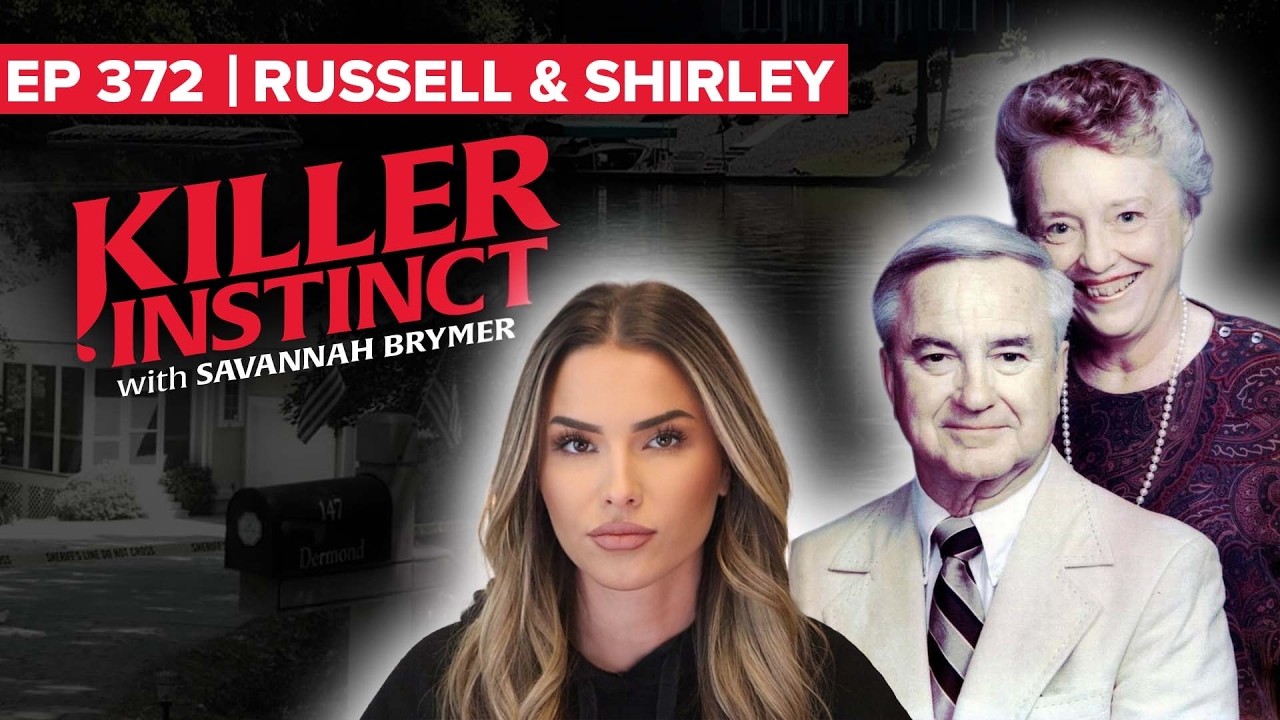
Savannah Brymer hosts, and her credential is the work itself: meticulously researched case narratives, weekly, with the investigative legwork audible in the episode. The show's advertiser base leans heavily toward apparel, beauty and retail, which puts it squarely in Spotsnow's apparel & fashion advertiser pool even though the content is true crime.
Spotsnow attributes an overwhelming majority of the show's ad inventory to direct response. That matters mechanically. DR reads carry codes, vanity URLs or an attribution prompt, so a brand can tie a sale back to a feed instead of guessing. Spotsnow estimates reach at roughly 67,000 listeners per episode, an estimate rather than an audited count, and that is a size where coded attribution gets read cleanly without drowning in noise.
Forget rate math for a second and look at the format. A single-host narrative episode holds a listener inside one continuous story, so when Brymer stops the narration to talk about a product, the attention she's already earned carries across the break. That's the thing a host-read borrows. A produced spot dropped into the same slot is just an interruption. Her read is the story pausing, which is why endorsement works here and why the brands buying it keep buying it.
On engagement proof, the show holds a 4.2 average rating on Apple Podcasts across roughly 2,330 to 2,720 reviews, and its YouTube channel sits at roughly 595,000 subscribers. Influence here is concentrated in the feed and on YouTube rather than spread thin across every platform, which is usually a sign that the listening relationship is the relationship.
Who is advertising on Killer Instinct
The roster is deep and tilts commercial: Spotsnow tracks well over a hundred brands on the feed in recent months, mixing DTC performance buyers with national advertisers. Recognizable names include SKIMS, Quince, Mint Mobile, Lululemon and SoFi.
The anchor advertisers, broken down
SKIMS
SKIMS sells shapewear, underwear and loungewear built around fit and size inclusivity. Spotsnow data shows roughly 16 to 19 ads on the show and estimated total spend over $9,000, classified direct response. The fit works because the read is about how a garment feels day to day, and this audience skews young and female, which is exactly who SKIMS is already selling to everywhere else.
Quince
Quince is the factory-direct essentials brand: cashmere, washable silk, linen bedding, priced under traditional luxury. Spotsnow attributes roughly 4 to 5 ads and estimated total spend over $7,000, all direct response. It's a value argument that needs explaining out loud, and a host with narrative credibility can make the price-versus-quality case in thirty seconds better than a display ad can in a month.
Jones Road

Jones Road is Bobbi Brown's clean makeup line, built on minimalist, multi-use products. Spotsnow shows roughly 2 ads and estimated total spend over $3,000, direct response. Beauty with a founder story behind it converts on a feed where listeners already trust one voice telling them what's worth their time.
The counterweight: national brands buying awareness
Not everything on the feed is chasing a code. Spotsnow also tracks Disney Plus, Netflix, Toyota and American Airlines running produced spots here, which tells you a different objective can work on the show. Those buys are bought for presence in a habitual weekly listen, not for a tracked checkout.
| Brand | Est. total spend | Direct-response | Time of spend (last 1 year) |
|---|---|---|---|
| SKIMS | Over $9,000 | Yes | Recurring across the year, late 2025 and spring into fall 2026 |
| Quince | Over $7,000 | Yes | Late summer into fall 2026 |
| Jones Road | Over $3,000 | Yes | Fall 2026 |
All spend figures are Spotsnow estimates.
Why apparel and fashion brands cluster here
True crime gets written off as a category for insurance and security advertisers. The buying on this feed says otherwise. The audience skews young and female, mostly US-based, middle to upper-middle income, and it listens weekly out of habit rather than curiosity. That's a wardrobe-and-beauty buyer who happens to be listening to a murder case, and the brands spending real money here, SKIMS, Quince, Jones Road, Lululemon, Stitch Fix, all sell straight to her.
The second half of the argument is the host. Brymer's authority is built on doing homework in public, case after case, and that transfers. A listener who trusts your sourcing on a cold case tends to take your word on a bra that actually fits. Spotsnow data shows an average brand repeat rate above 3 on the show, meaning brands that test here come back, which is the only endorsement of a feed that actually counts.
How your ad could sound
SKIMS host-read on Killer Instinct
This is the top spender's read, and it does the hard parts well. The hook is personal and repeated enough to be familiar: "it's time to talk about my favorite brand." It flatters the listener into the in-group with "if you are an avid Killer Instinct listener, then you already know." It names specific products instead of waving at a category, the everyday cotton hipster underwear and the scoop bra, and it admits a prior objection before reversing it, which is the single most persuasive move available in a host-read.
Where it leaves money on the table is the offer. There's no code, no discount, no reason to act this week. The entire ask is attribution: "after you place your order, be sure to let them know that we sent you." Then it compounds the problem by routing the listener through a survey dropdown after checkout, which is a soft CTA asking for work after the sale instead of a reason to make one. A vanity URL or a show-specific code would do the same attribution job and give the listener something to act on.
View what a great sample ad looks like here.
What makes a show like this convert
- The format carries the break. Narrative single-host episodes keep a listener inside one story, so attention doesn't collapse the moment the read starts.
- Host credibility is the product. Brymer's research-first delivery earns the kind of trust a recommendation can borrow, which a produced spot in the same slot cannot.
- The audience matches the roster. Spotsnow describes a listener base that skews young and female, mostly US-based and middle to upper-middle income, with estimated reach of roughly 67,000 listeners.
- Brands renew instead of testing once. SKIMS has run roughly 16 to 19 ads here, spread across many months, which is what repeat buying looks like when the math works.
Killer Instinct in a nutshell
Weekly true crime with a US-heavy audience that skews young and female and sits middle to upper-middle income. The money on the feed comes from DTC apparel and beauty buying endorsement-style host reads, with national streaming, auto and travel brands running produced spots alongside them. Inventory is sold direct and quoted per campaign, so terms depend on placement and flight length rather than a published card. If you want coded attribution, this show is built for it; if you want association with a habitual weekly listen, it does that too, just without the tracking.
Frequently asked questions
Killer Instinct is sold on a quoted basis rather than a public rate card. Four things move the number: placement (mid-roll host-read prices above pre-roll and post-roll), read type (a host endorsement prices above a produced spot), commitment length (multi-episode flights and category exclusivity price better than a single test), and how close you are to the air date. For market context, a host-read spot on a typical show costs a brand roughly $20 to $30 for every thousand listeners it reaches. In-demand shows clear well above that. The more useful signal for this show is who already buys: SKIMS has run roughly 16 to 19 ads, alongside Quince and Jones Road. Repeat buying at that level tells you more about where a show prices, and what it's worth to the brands buying it, than an outside estimate can.
Ads run on most episodes, so the show is in demand and inventory moves fast. Plan on reaching out sooner than you think you need to.
Figure about 1 week to book, 2 to 3 weeks to produce and run, plus 2 to 3 weeks of lead time, so roughly 5 to 7 weeks end to end.
Killer Instinct is sold direct rather than through one of the large networks. You can approach the show directly, or book through a platform that already has the show in its inventory. You can view different advertising platforms here.
Yes, and they're the biggest spenders on the feed. Spotsnow attributes the top three spend positions to SKIMS, Quince and Jones Road, all classified direct response. If you sell apparel, beauty or home essentials to a younger female buyer, the category has already been proven here, which also means you should ask about exclusivity before you commit a flight.
Killer Instinct isn't the only feed reaching this audience. Spotsnow shows which true crime podcasts have host-read spots open right now, and which brands already buy them.
Get on the last minute spots email list.
Find incredible discounts and opportunities on premium shows.
Get on the last minute spots email list.
Find incredible discounts and opportunities on premium shows.