

How to advertise on KILL TONY: what it costs, who buys, and how to book

Keshav Bagaade
Podcast Advertising Data Lead
KILL TONY sells its host-read inventory the way most big comedy feeds do: quoted per campaign through a rep firm, not off a public rate card. Spotsnow data shows roughly three quarters of the show's ad activity runs as direct response, and the top-spending anchor, Quo, has run roughly 11 to 14 ads on the show. For a buyer, that mix means one thing: the brands already here are chasing conversions with codes and URLs, not just brand lift. Spotsnow estimates all of this from tracked advertiser activity, not audience surveys.
You can see the full profile for KILL TONY on Spotsnow.

Why KILL TONY is built for host-read direct response
Host Tony Hinchcliffe is a stand-up comedian and longtime Comedy Central Roasts writer who now sells out arenas, including Madison Square Garden. The show sits in the entertainment category, and its buying pattern reads like it.
Spotsnow attributes roughly three quarters of the show's reads to direct response, the format built around a promo code, a URL, and a tracked action. That matters because the offer has to survive the break. Hinchcliffe's read style folds the sponsor into the bit instead of pausing for it, so attention doesn't drop out when the ad starts. A host-read borrows exactly that: the audience stays with the joke, and the code rides along. Spotsnow estimates the show reaches roughly 2,400,000 listeners, and that figure is an estimate, not an audited count.
The engagement shows up across platforms. Spotsnow social stats put the Apple Podcasts rating at 4.4 from roughly 5,270 to 5,830 reviews, with roughly 2,670,000 YouTube subscribers and about 786,000 Instagram followers. The following is broad and video-heavy, which gives a sponsor more than one surface to land on. The audience skews young and male, mostly in the US, with solid middle-income buying power.
Who is advertising on KILL TONY
The roster is big and mixed, spanning DTC, telehealth, fintech, insurance, streaming, and QSR. Spotsnow tracked roughly 130 to 152 advertisers in the recent window. Recognizable names include Shopify, Netflix, LinkedIn, State Farm, and Amazon Prime.
The anchor advertisers, broken down
Quo

Quo is a first-time-homebuyer mortgage app. Spotsnow shows roughly 11 to 14 ads and estimated total spend over $300K, all direct response. Young men starting to think about buying a first home is exactly who this feed reaches, which is why a fintech pitch lands here.
Shopify
Shopify runs the commerce platform for people building online stores. Spotsnow shows roughly 25 to 29 ads and estimated total spend over $300K, classified direct response. The show's audience is full of side-hustle and small-business energy, and a start-your-store pitch feeds straight into that.
BlueChew
BlueChew is a telehealth subscription for men's health. Spotsnow shows roughly 7 to 8 ads and estimated total spend over $200K, all direct response. A discreet, subscription men's-health product maps cleanly onto a young male audience that trusts the host's read.
Netflix, the outlier
Netflix runs a mostly awareness-flavored streaming presence and doesn't lean on a promo code the way the DTC anchors do. It's proof that a brand-association objective can also work on this feed, not just coded attribution, which widens the kind of buyer the show fits.
| Brand | Est. total spend | Direct-response | Time of spend (last 1 year) |
|---|---|---|---|
| Quo | over $300K | Yes (host-read) | recurring across the year |
| Shopify | over $300K | Yes (host-read) | recurring across the year |
| BlueChew | over $200K | Yes (host-read) | recurring across the year |
All spend figures are Spotsnow estimates.
Why comedy brands cluster here
The clustering isn't random. Hinchcliffe built a room where the crowd is there for him, and that authority transfers: when he says use the code, a young, male, US-heavy audience with real spending power actually types it in. That's why fintech, e-commerce, and telehealth pile in with repeat flights instead of one-off tests. The mindset is transactional. Listeners come for the roast and the punchlines, and they treat the sponsor read as part of the bit rather than a reason to skip. A brand that needs a tracked action gets attention plus intent in the same break, and the anchor spend shows those brands keep coming back because the math holds.
How your ad could sound
Here's a real host-read from the show, a ZipRecruiter spot dropped mid-episode:
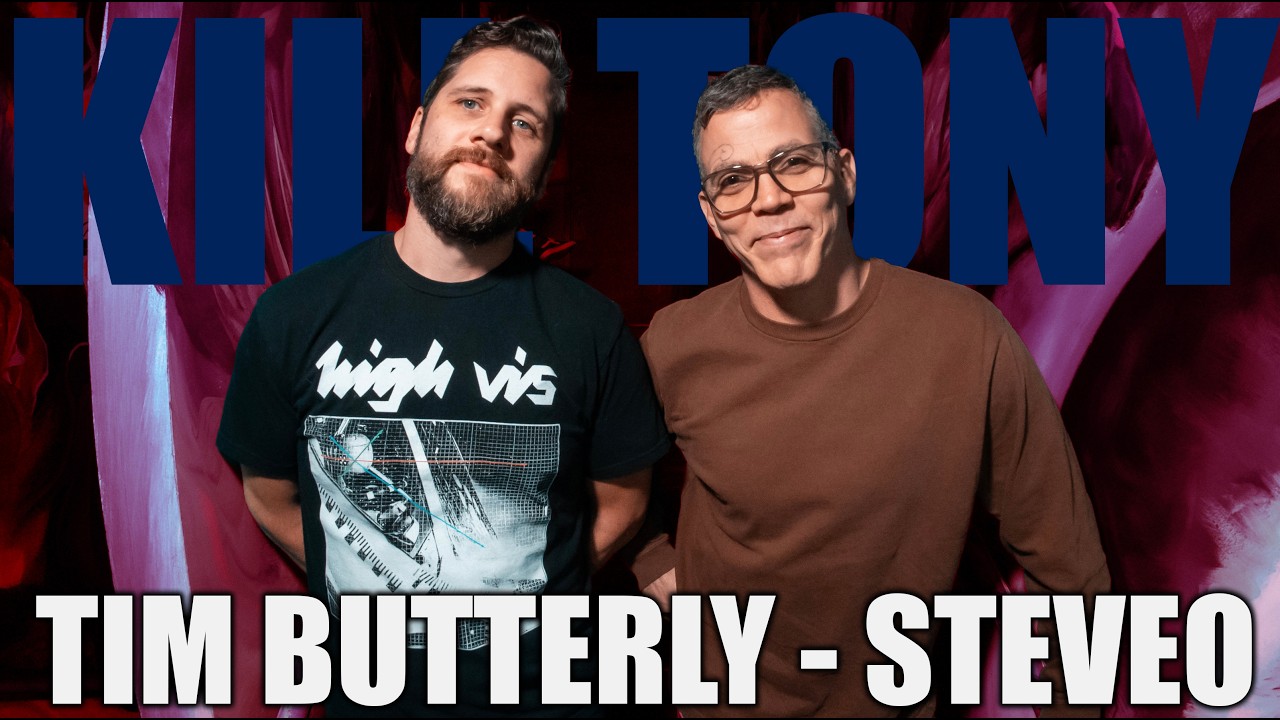
ZipRecruiter host-read on KILL TONY
What works: the handoff is natural, folded into the riff instead of a hard pivot. It's a personal endorsement ("an official sponsor of Kilton Tony"), it names a clear code, and it hands the offer over: a free month. That's the shape of a read that converts on this feed.
What to sharpen: the read hedges with "I do believe," which softens the offer's confidence right at the ask. And the code goes by fast with no repeat and no spelled-out URL, so it can get buried in the back-and-forth. In a DR spot you want the code said twice and the destination clean. Say it, land the joke, say it again.
View what a great sample ad looks like here.
What makes a show like this convert
- The format carries the offer. Host reads fold into the bit, so attention doesn't drop when the code lands.
- Host credibility transfers to the brand. Hinchcliffe's arena-filling authority means an endorsement reads as a recommendation, not an interruption.
- The audience is a buyer. A young, male, US-heavy crowd with middle-income spending power is primed for fintech, commerce, and subscription offers.
- Repeat buying proves the math. Quo alone has run roughly 11 to 14 ads, the kind of return cadence brands only keep up when the reads pay back.
KILL TONY in a nutshell
The audience skews young and male, mostly US-based, and it treats the sponsor read as part of the show. The brands already buying, Quo, Shopify, and BlueChew among them, run host-read direct response and come back for more. The show is sold on a quoted, per-campaign basis through a rep firm, not off a public rate card. If your goal is a tracked action from a young male audience, this is a direct-response feed first, with room for an awareness play if that's your objective.
Frequently asked questions
KILL TONY is sold on a quoted basis rather than a public rate card. Four things move the number: placement (mid-roll host-read prices above pre-roll and post-roll), read type (a host endorsement prices above a produced spot), commitment length (multi-episode flights and category exclusivity price better than a single test), and how close you are to the air date. For market context, a host-read spot on a typical show costs a brand roughly $20 to $30 for every thousand listeners it reaches. In-demand shows clear well above that. The more useful signal for this show is who already buys: Quo has run roughly 11 to 14 ads, alongside Shopify and BlueChew. Repeat buying at that level tells you more about where a show prices, and what it's worth to the brands buying it, than an outside estimate can.
Ads run on most episodes, so the show is in demand and inventory moves fast. Plan on reaching out sooner than you think you need to.
Figure about 1 week to book, 2 to 3 weeks to produce and run, plus 2 to 3 weeks of lead time, so roughly 5 to 7 weeks end to end.
KILL TONY is sold through Studio71. You can approach them directly, or book through a platform that already has the show in its inventory. You can view different advertising platforms here.
Almost certainly the format does. Spotsnow shows roughly three quarters of the show's reads are direct response, and its anchor buyers, Quo, Shopify, and BlueChew, all run coded host reads. If you sell an app, a subscription, or an online store to a young male audience, you're in the same lane as the brands paying to be there now.
KILL TONY isn't the only feed reaching this audience. Spotsnow shows which comedy podcasts have host-read spots open right now, and which brands already buy them.
Get on the last minute spots email list.
Find incredible discounts and opportunities on premium shows.
Get on the last minute spots email list.
Find incredible discounts and opportunities on premium shows.